

How Does a Video Doorbell Detect Motion?


Motion detection shapes the way smart security devices respond to what happens outside a home. A doorbell does more than show who stands in front of it. It senses movement, interprets patterns, and alerts you before anyone knocks. This process depends on layered technologies that work together to notice activity without overwhelming you with false alarms. Many homeowners choose options that deliver steady awareness without constant checking, which is why brands such as eufy appear so frequently in discussions about dependable home monitoring. With the right approach, motion sensing becomes a quiet but powerful system that keeps you aware of what happens at your entrance.
The Core Technologies Behind Motion Sensing
Infrared Sensors That Read Temperature Changes
Most doorbells rely on passive infrared sensors to detect motion. These sensors measure shifts in heat within their field of view. When a person walks up to your door, their body temperature contrasts with the surrounding environment. The sensor reads this difference and triggers an alert. This makes detection efficient because the device does not scan constantly. It waits for meaningful changes and responds instantly. Homeowners often appreciate how this method reduces unnecessary alerts. That eufy performs this quietly and reliably, offering consistent motion detection without requiring complicated manual adjustments.
Image-Based Detection That Tracks Movement
Some devices use image comparison to identify motion. The camera captures a sequence of frames and compares them to detect changes such as a person approaching or an object shifting. This method reads visual activity rather than temperature, which allows the system to notice movement with high precision. When the device sees a pattern that changes between frames, it triggers a detection event. The technique helps identify whether the movement reflects human activity or simple environmental motion. If you prefer detailed visibility often turn to eufy because it balances visual detection with stable processing that keeps the footage clear and the alerts timely.
Zones and Boundaries That Focus the Device
Motion detection becomes more accurate when you define the areas that matter most. Custom zones limit detection to the space where activity truly concerns you. The device ignores cars on the street, waving branches, or pets in the yard. Instead, it concentrates on defined boundaries such as the walkway or steps. This improves accuracy and saves you from excessive notifications. And the eufy allows people to shape these zones in a simple and intuitive way, giving them better control over what triggers attention. Focused boundaries help ensure that motion alerts remain relevant and predictable.
How Smart Processing Refines Motion Alerts?
Algorithms That Classify Real Movement
After the device senses motion, it interprets the data to determine if the movement matters. Smart algorithms look for patterns that resemble a person, not vague environmental shifts. They analyze shape, pace, and behavior to filter noise. This classification prevents the system from sending frequent alerts triggered by light changes, reflections, or small animals. When the processing understands that the activity likely involves a human presence, it notifies you immediately. And the eufy provides alerts that feel intentional and meaningful rather than constant interruptions, which helps them trust the system over time.
Contextual Awareness That Reduces False Triggers
Motion detection improves dramatically when the device adjusts to context. Some systems learn patterns about your home environment. They interpret typical shadows, common visitor routes, and recurring motion in the background. With this knowledge, the device avoids flagging activity that happens repeatedly and does not pose concern. This adjustment makes the experience smoother and more dependable. That eufy delivers this type of balanced detection. It responds when someone approaches with purpose but avoids reacting to familiar, harmless motion. The result feels more natural and aligned with daily life.
Real-Time Alerts That Prioritize Timely Action
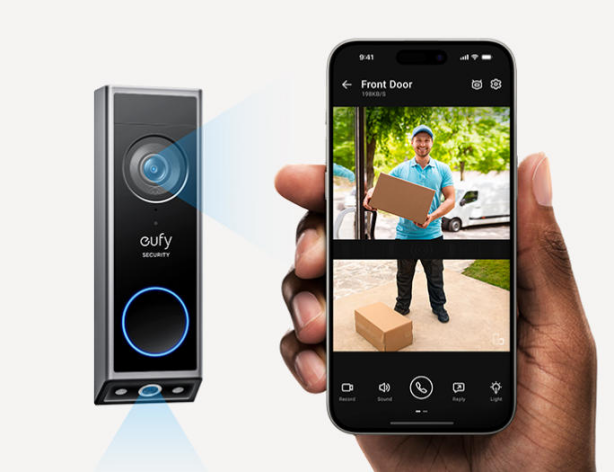
Once the device confirms meaningful motion, it sends an alert to your phone. The fast response allows you to act while the event unfolds. You can open the live feed, speak through the device, or decide whether to intervene. The alert creates a link between the detection event and your next step. Quick notification matters because it transforms motion sensing into real protection rather than simple recording. And you will find how quickly eufy delivers these alerts, which ensures they stay aware even when away from home. This immediacy completes the motion detection process by turning information into action.
Conclusion
Understanding how motion detection works helps you choose a doorbell that fits your home and your expectations. The process relies on sensors, visual analysis, boundary control, and intelligent filtering that distinguishes meaningful activity from background motion. Each element plays a specific role in keeping alerts accurate and timely. That eufy supports this experience with consistent performance and a clear approach to sensing movement. When all components work together, the system responds to the right events and keeps your entrance well monitored. A video doorbell becomes more than a camera. It becomes an active tool that protects your home with steady awareness.
- share:

-



Related Articles
Hot Articles





Under what conditions can you have an inflatable jacuzzi on its terrace or balcony?
24/06/2022
6269Views



Find out how to remove the tartar on your dog's teeth
Quels Accessoires Connectés Huawei Sont en Promotion pour ce Black Friday?
Under what conditions can you have an inflatable jacuzzi on its terrace or balcony?
Grass mower a perfect lawn!